During this blog week is….. Earth Day! Every Earth Day I scroll on Instagram to find many posts of people’s (mainly girls) pictures to capture the amazing places they have travelled the world. It sometimes makes me mad when friends of mine post pictures of their adventures with a caption about helping Earth when they just took a 30 minute shower and drove around for an hour cause they were bored…. Oops sorry slight rant… However, I do especially love Earth Day because it is a huge reminder about how beautiful our Earth is, and how fragile it is too. It serves as a reminder to treat it right and practice good sustainability. Thanks to the coronavirus our Earth is the best it has been in a while. If you haven’t read my last post, go check it out!
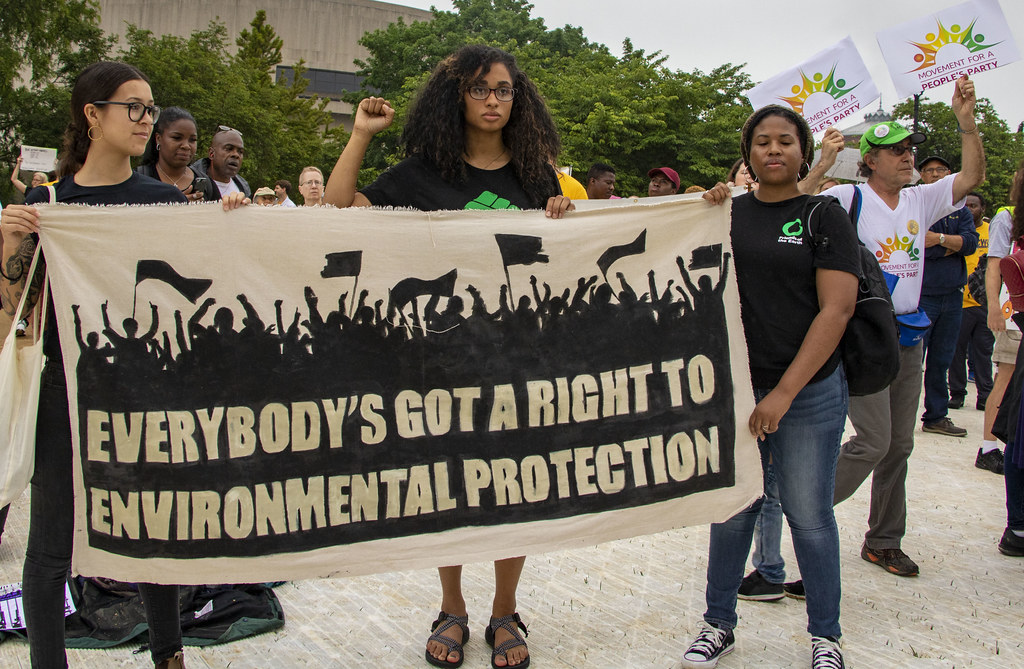
This week I would like to discuss environmental racism. Environmental racism is the term used to describe the environmental injustice seen in practice and in policy among disadvantaged communities. It refers to the low socioeconomic groups burdened with a great number of hazards including, but not limited to, toxic waste facilities, garbage dumps, sewage plants, and other sources of environmental pollution and foul odors. These facilities decrease the quality of life this community endures along with a greater risk of developing health problems as a result of the higher exposure to waste and pollution. Many neighborhoods come uncomfortably close to toxic materials and waste facilities. This process is quietly practiced through bills and laws which allow industries to build these facilities in lower socioeconomic areas.
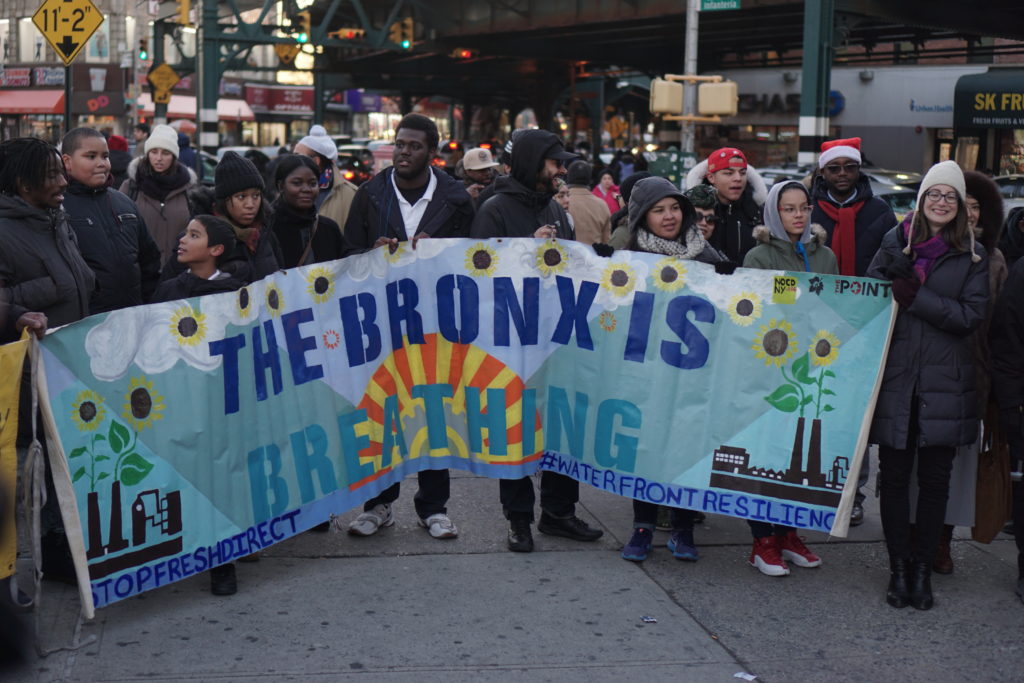
The Bronx in New York is the perfect example of environmental racism. It had one of the lowest ratios of parks to people in the city. The city also faces a large number of dangerous facilities: 40% of the city’s waste, 100% of the Bronx’s waste, Sewage Treatment Plant, Sewage Pelletizing Plant, 4 Electrical Power Plants, as well as other industries that bring in over 60,000 diesel truck trips each week. These statistics, along with many others, are not just something the community has to “deal” with, but it completely alters their way of life. These hostile conditions keep the members of the community inside their house away from the toxic air in their neighborhoods. The community would continue worsening as policy allowed it to. Members fought for change and have started projects that have pulled the city up and made it a liveable, enjoyable city.
Race and class unfortunately indicate the differences in communities; a community where one might find an abundant number of parks and trees, whereas others face an abundance of waste facilities. The statistics on environmental injustice are extremely shocking:
- Black people are twice as likely to live in an area where air pollution poses a greater risk to one’s health.
- In a study led by Robert Bullard, it was found that African American children are five times more likely to have lead poisoning than a Caucasian kid would.
- The Commission for Racial Justice performed studies that found about 50 percent of American Indians live in communities with unregulated hazardous waste sites.
- Another example takes a look at coal power plants; of the people that live within 3 miles of a coal power plant, 39% of them are people of color.
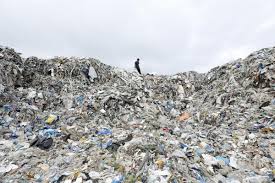
Lower class cities of the country are not the only communities affected. The United States dumps waste in developing countries. For example, 80% of the countries e-waste (electrical waste) is exported to Asia, while only 15-20% of it is recycled. It is estimated that 20-50 million tons of e-waste is generated each year, and this number is only growing. Malaysia is another country taking in other countries’ waste. Malaysia has actually become the world’s largest importer of plastic scrap. The country receives hundreds of millions of tons of waste from the United States, Europe, Japan, and more. Other countries including Thailand and Vietnam are proceeding with similar practices.

Health issues are a major concern when looking at environmental racism. Asthma, lead poisoning, and lung cancer, are a few issues that have increased in these communities. The highest rates of asthma are seen in low socioeconomic communities and communities of color. The many facilities I have previously listed emit dangerous particulate air pollution, like soot. Inhaling this matter causes these devastating impacts on health. Greater chances of obesity and diabetes are found in poorer communities, where members stay inside and are not lucky enough to indulge in parks and nice neighborhood settings.

When complaints are filed to the Environmental Protection Agency, many are rejected. The communities that are suffering receive the least amount of regulation and assistance. The problems have been taken within their communities where members have started initiatives themselves. If you enjoy this topic and want to learn more about the Bronx and how they are turning their community around, please watch this video:
Environmental racism is a topic that is pushed under the rug. I don’t believe I have ever been taught about this subject in school, and I believe it is something that should definitely gain more attention. In a very developed country like the United States, it is extremely saddening to read this information and continually see very little change. Imposing health risks on specific communities is something that never should have occurred, let alone during this era. We have the resources and capability to change these issues and practice better policies in the future.
 Sustainability