This week I will be discussing the meat industry and its negative effects on the environment. The main problem is that our modern culture has become so accustomed to eating meat, and no one understands or is aware about the negative effects it has on the environment. This culture is especially perpetuated in Americans’ everyday lives.
Data from the International Livestock Research Institutes in Kenya shows that 285 million tons of meat are produced each year, and if that were to be distributed evenly throughout the population that would be about 80 pounds a person. However, that is obviously not the case with Americans consuming on average 270 pounds a year as compared to Bangladeshis eating 4 pounds. This overconsumption of meat came with three environmental issues: feed sourcing, manure processing, and climate change. In order to feed livestock and raise them to be healthy, vast quantities of feed is essential. The demand for feed is met by plowing millions of acres of monoculture crop fields solely dedicated to feeding livestock. Deforestation is a major environmental issue that carries with it habit loss and lack of CO2 absorption that is normally done by the vegetation that is removed. Manure is typically stored in massive pools that are highly susceptible to flooding or leakage. When this occurs, it releases harmful substances such as antibiotics, bacteria, pesticides, and heavy metals into the surrounding environment that eventually ends u

p in our water supply.
These issues do not stop here. Meat production requires the use of many fossil fuels. Data shows that one calorie of meat product requires around 10 times the input of fossil fuel energy than one calorie of plant protein. This number varies depending on the type of meat, and what the livestock is fed with. Other estimates show that grain-fed beef requires almost 35 fossil fuel calories for each calorie produced.

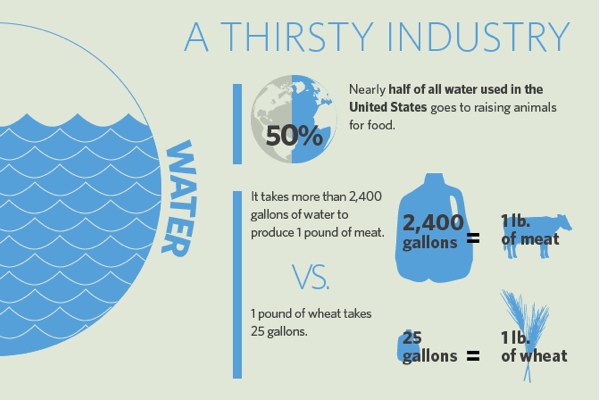
In addition to these issues, water is a huge issue in raising livestock. Nearly half of the water used across the U.S. goes toward raising livestock. Growing crops and other produce certainly uses water, but not even close to how much meat requires. It takes around 2,400 gallons of water to produce one pound of meat while it only takes 26 gallons of water to produce 1 pound of wheat. Not showering for 6 months water use is equivalent to not eating 1 pound of meat. Imagine if a restaurant not only showed the calorie content of their meals, but showed the amount of water used, CO2 emitted, and overall impact that meal had. I bet that would certainly change people’s decisions. These facts are very alarming, yet many people brush them off without a second thought.
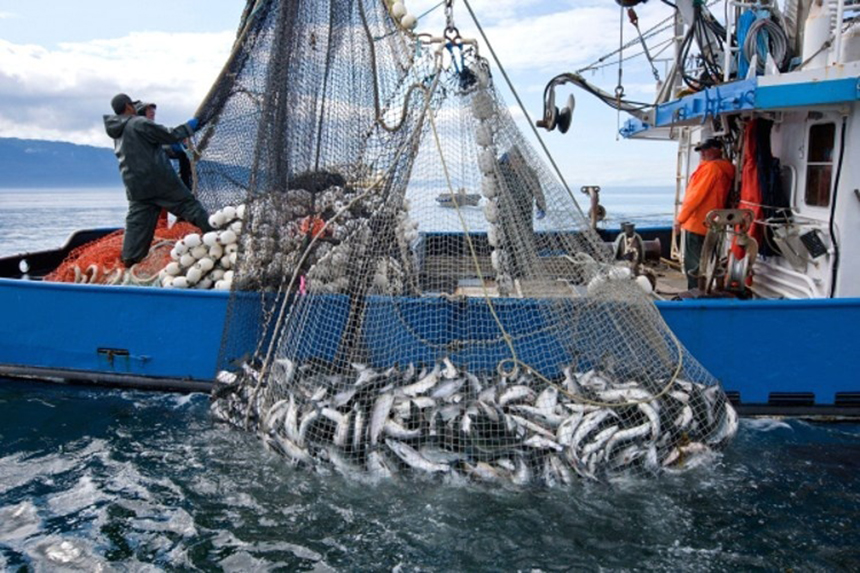
Then there is also seafood to take into consideration. Without even pulling out the facts, it is easy to picture large boats going through the waters all the time, polluting the once clean blue waters. The oceans around the world have been increasingly polluted and the seafood industry plays a huge role in this issue.
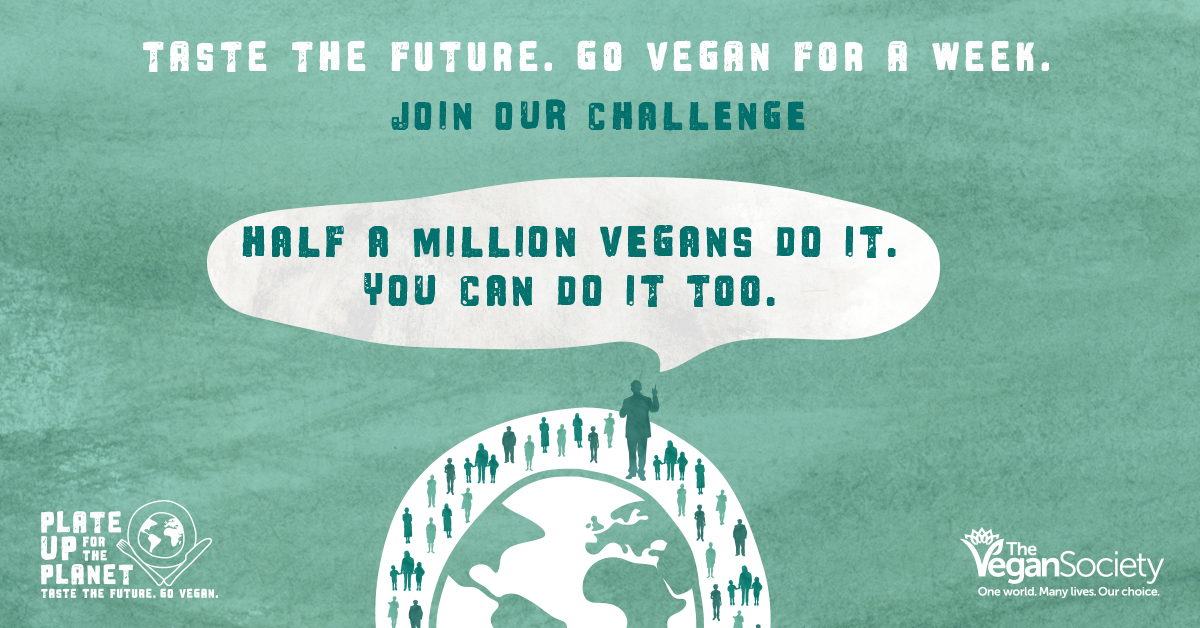
Veganism has become a very popular diet in the United States with environmental issues being one of the main reasons. An average day of food for a meat-eater requires over 4,000 gallons, whereas only 300 gallons are required to produce food for a typical vegan.
So the question is, can people live without meat to improve the environment, or is the meal too important to them? The issue does not require the entire world to become a vegan right now, but it is first important to educate them on the topic. Imagine if people changed their diets and how much this would change these statistics and improve the environment.
https://www.cleanwateraction.org/features/meat-industry-%E2%80%93-environmental-issues-solutions
 Sustainability